Our Regenerative Approach
Different from the ground up
Our Regenerative farming approach is at the heart of our business - it's what makes our plants & products better and it's how we enable the positive impact in Costa Rica.
Thrive prioritizes working with nature to build agroecosystems that are as healthy as wild ecosystems, resilient and where plants grow in interaction with native biodiversity.
By farming regeneratively, the soil is restored, the plants grow the way nature intended and produce more skin-supporting compounds.
In short: better farming > stronger plants > better skin results you can feel.
Our Five Cycles
We take advantage of the 5 cycles that work together to restore healthy, productive land.
1.
SOLAR
Grouping diverse plants together and increasing the efficiency to gather sunlight, maximizes carbon capture, photosynthesis and oxygen production.

2.
Biodiversity
Diversifying crops and vegetation and allowing the growth of native plants creates a resilient and integrated ecosystem that invites all life forms, big and small.
3.
Soil
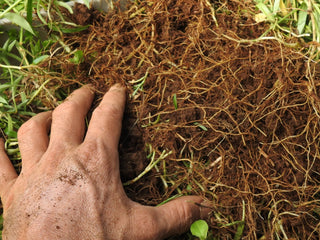
No tilling or agrochemicals, allowing diversity of ground cover plants, using mulch and composting prime the soil to grow our superplants.

4.
Water
Adding mulch & root diversity preserves water & helps to avoid runoff, evaporation, and erosion
5.
Social
Promoting long term productivity and a sustainable economy for our farmers
A PIONEERING CERTIFICATION
WOMEN-LED. REGENERATIVE. CERTIFIED.
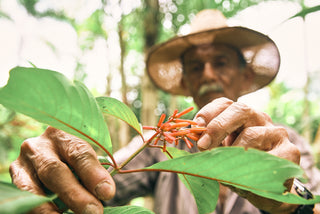
Meet Coopecuna—the first women-led farm in Costa Rica to earn Regenerative Organic Certified® (ROC™) status and only the third farm in the country to do so.
This milestone marks more than a certification; it’s a testament to the power of regenerative agriculture and community-driven change. By restoring soil health, protecting biodiversity, and boosting the livelihoods of local farmers, Coopecuna is setting a new standard—proving that better farming leads to a better future for both people and the planet.
Tracking Regeneration
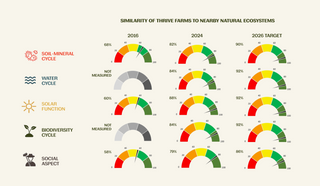
Since 2016, we’ve been measuring the impact of our regenerative efforts—not just on the land, but on the communities and ecosystems that surround it. By tracking key indicators like soil health, water retention, biodiversity, and even the social well-being of farmers, we compare our progress against nearby natural ecosystems to ensure we’re moving in the right direction. The results speak for themselves. With each year, we’ve made measurable strides, and by 2026, we aim to reach even greater milestones—proving that farming can be a force for restoration, not depletion.
CULTIVATING CHANGE
A glimpse into Mairena Family Farm, a pioneering force in regenerative agriculture in Costa de Pájaros.
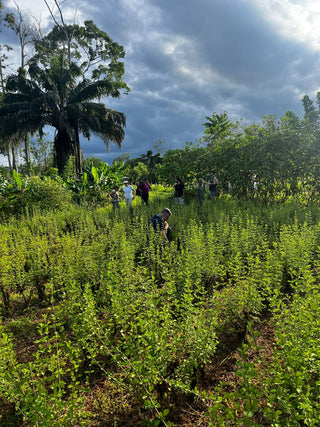
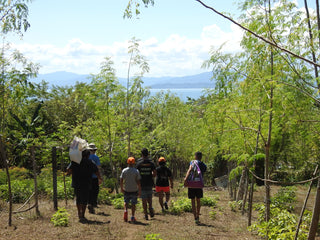
At first glance, this land may not look like a farm—but that’s the beauty of regenerative agriculture. Mairena Family Farm is working with nature, not against it, to restore the land while inspiring its coastal community. With seasonal fishing restrictions and the challenges of overfishing, locals are exploring new ways to support their families. By embracing regenerative farming, they’re creating fresh opportunities that protect natural resources and provide a more stable future for generations to come.